
Electric Screw Jack for vacuum drum filters
The electric screw jack serves as a critical component for the automated and precise control of scrapers in Scraper Discharge RVDF and Precoat Discharge RVDF systems. Additionally, in Belt Folding Discharge RVDF, it functions to regulate filter belt tension and correct filter belt misalignment.
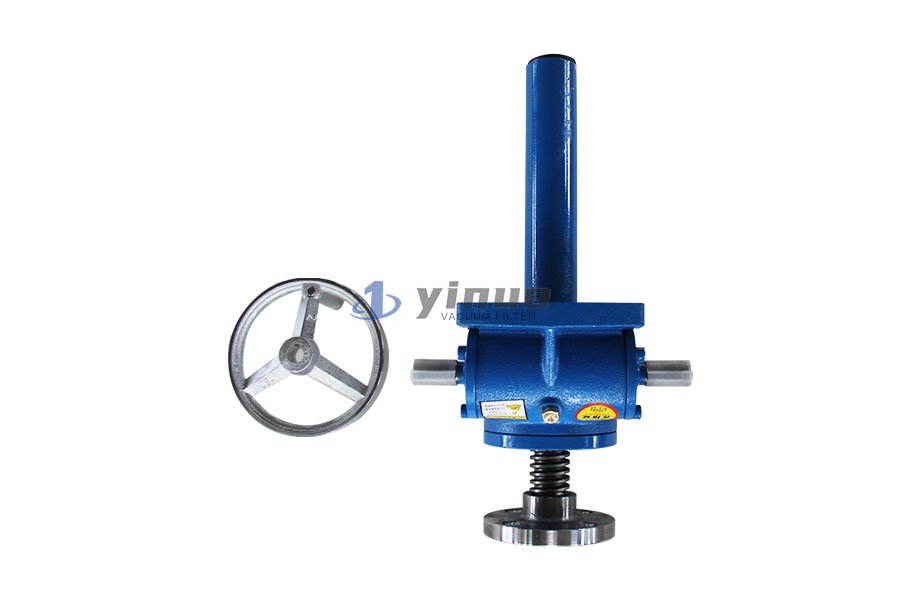
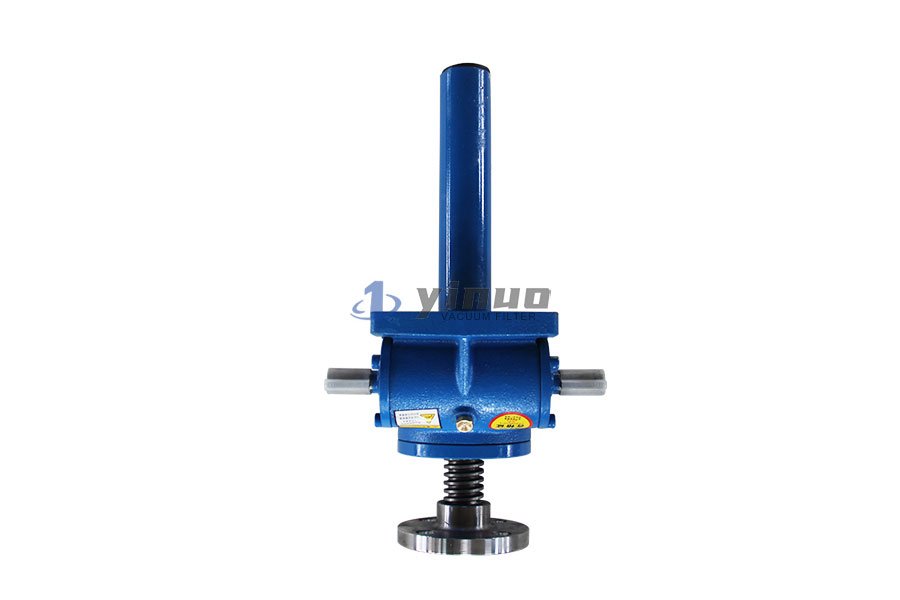
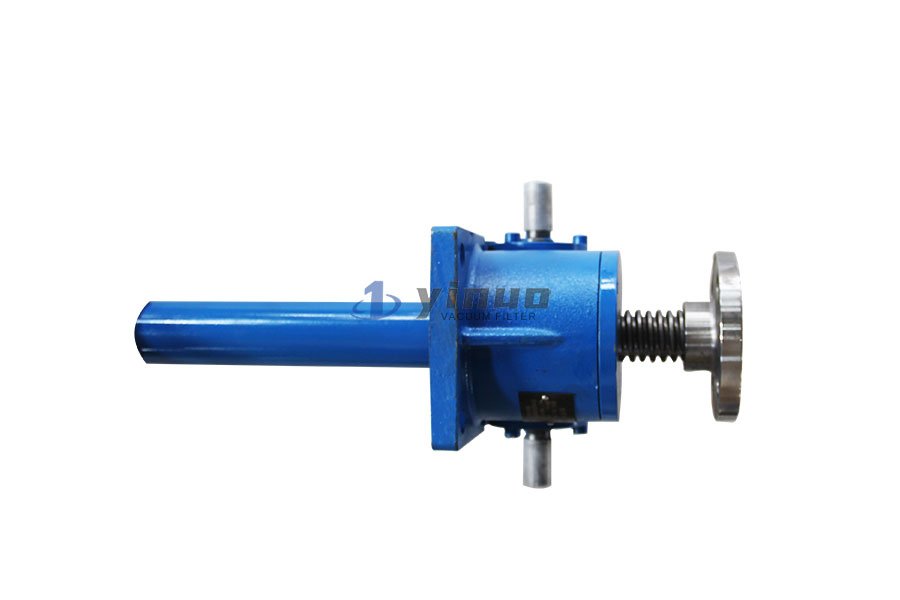
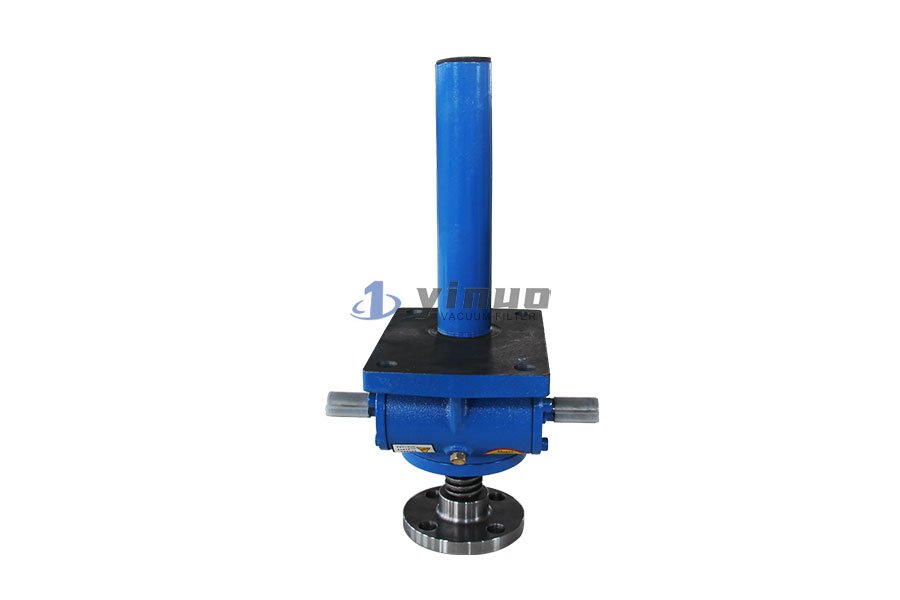
Screw jacks are further categorized into manual and electric types: the manual version is used in scraper-type rotary vacuum drum filters, while the electric variant is applied in precoat-type rotary vacuum drum filters. Both types serve the same function of advancing and retracting the scraper.
- High-precision transmission
- Stable load control
- Compatibility with diverse industrial operating conditions
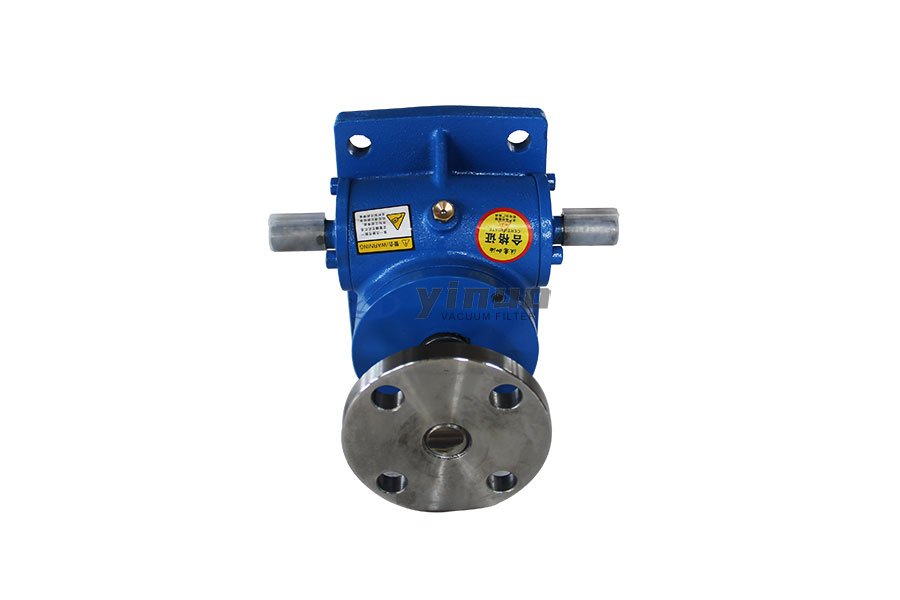
How to Select the Most Suitable Screw Jack
The selection of manual versus electric screw jacks is not arbitrary; instead, it directly aligns with the operating mechanisms of the two filter types—particularly the frequency and precision requirements for scraper adjustments. The core rationale behind the design difference—where manual screw jacks are employed in scraper-type rotary vacuum drum filters and electric ones in precoat-type rotary vacuum drum filters—lies in the distinct filtration principles, operational requirements, and process precision demands of the two devices.Cost optimization: Scraper-type filters are mostly used in cost-sensitive bulk material processing scenarios. Manual screw jacks offer lower manufacturing, installation, and maintenance costs compared to electric counterparts, reducing upfront investment.
Ease of maintenance: Manual screw jacks require virtually no additional maintenance (only periodic lubrication), significantly minimizing maintenance man-hours and expenses. While electric models involve higher initial investment, they reduce labor intervention costs through automated control. Furthermore, their maintenance requirements are compatible with the factory’s existing automated equipment maintenance system, making them more cost-effective for high-precision production scenarios in the long run.
Manual screw jacks are the preferred choice for scraper-type rotary vacuum drum filters.
Scraper-type filters are designed for high-solids, stable slurries with consistent viscosity, minimal particle size variation, and strong filter cake adhesion. Their key process traits—infrequent scraper gap adjustments and moderate cake removal precision—collectively justify manual actuation.
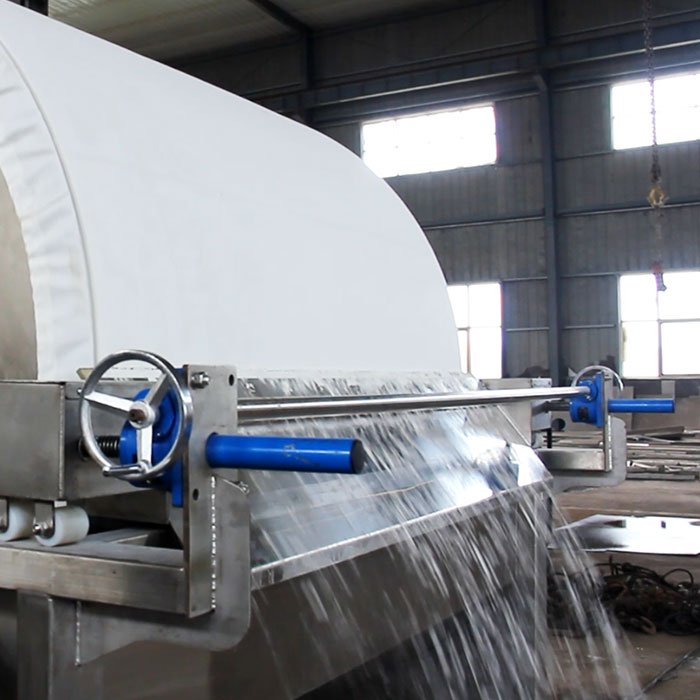
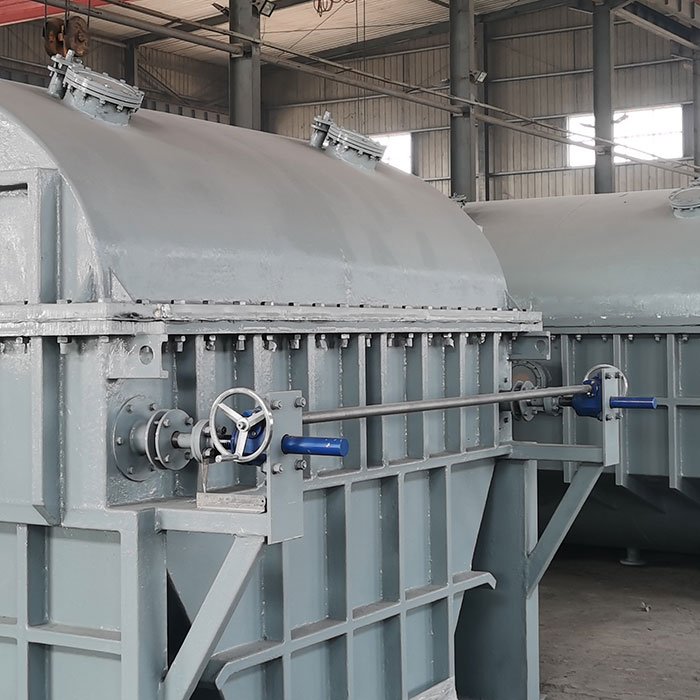
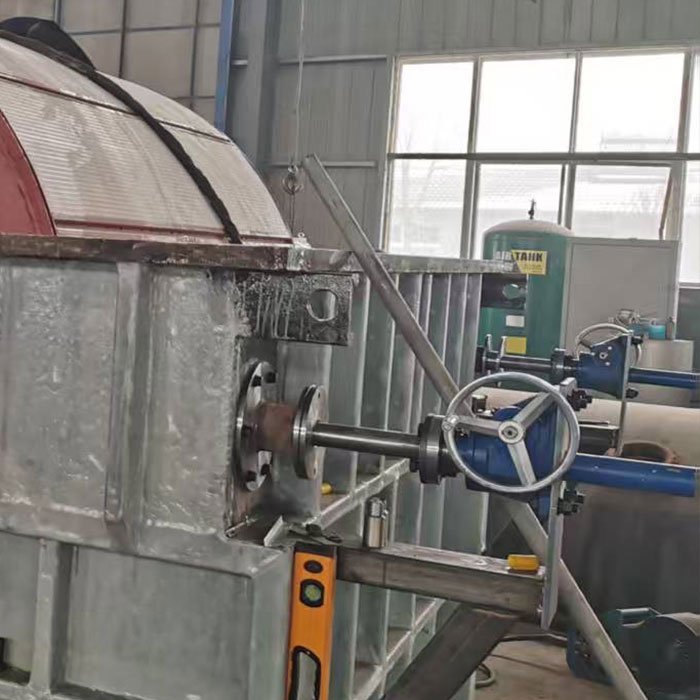
- Low adjustment frequency: The filter cake formed on the drum surface features uniform thickness and stable adhesion (attributed to the high solid content of the slurry). After setting the optimal scraper gap (typically 0.1–0.5 mm) during initial commissioning, minimal adjustments are required during continuous operation. Only occasional calibrations—such as after filter cloth replacement—are needed, which can be easily achieved via manual adjustment with a handwheel.
- High precision tolerance: Due to the thick, rigid nature of the filter cake, minor deviations in the scraper gap (±0.2 mm) do not significantly affect cake removal efficiency or filter cloth integrity. Manual screw jacks, with their simple structure and low cost, meet basic operational needs without over-engineering.
- Strong adaptability to harsh operating conditions: Scraper-type filters are widely used in heavy-industry scenarios such as mining and metallurgy, where environments are characterized by high dust, intense vibration, and mechanical impact. Manual screw jacks have fewer moving parts (no motors, encoders, or electrical connections), offering enhanced structural durability that reduces maintenance downtime and failure risks.
Electric screw jacks are the preferred choice for precoat-type rotary vacuum drum filters.
Precoat-type filters specialize in processing low-solids, fine-particle slurries (e.g., pharmaceutical intermediates, high-purity chemical solutions). Their filtration relies on a thin “precoat layer” (e.g., diatomaceous earth, perlite) on the drum surface to trap solid particles, thus requiring precise automated control.
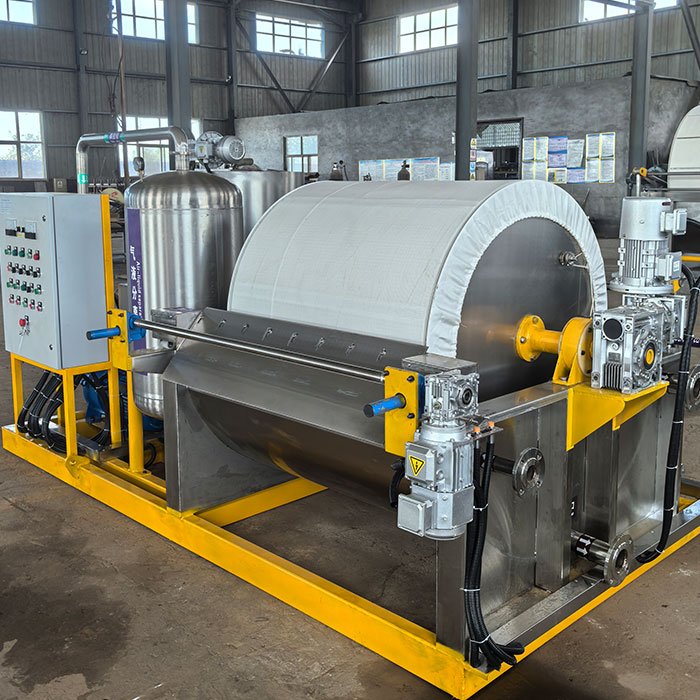
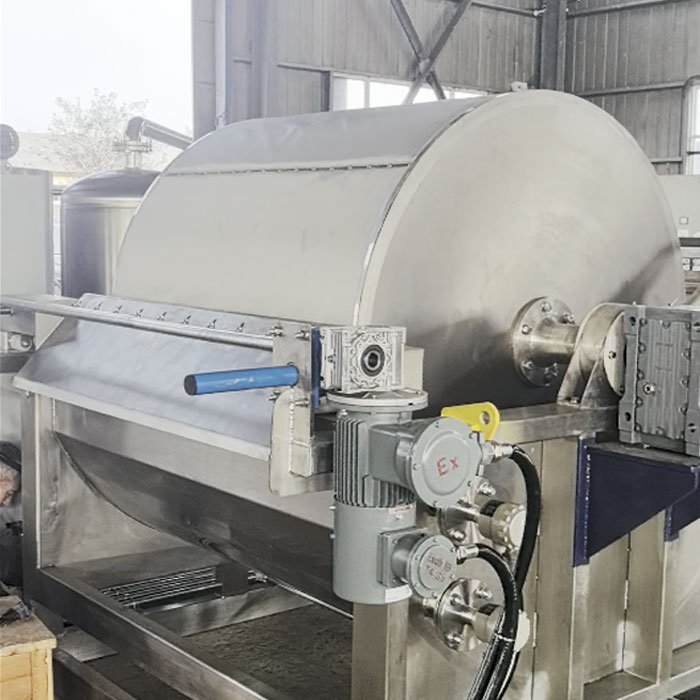
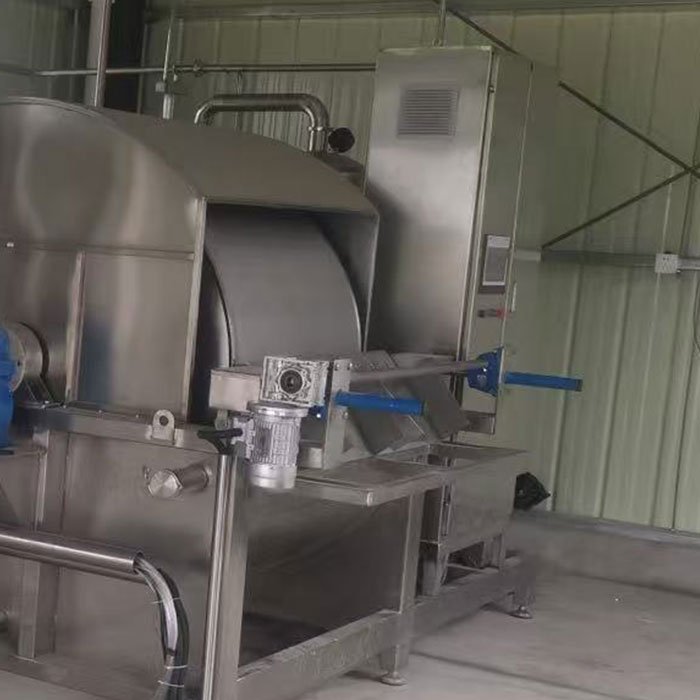
- High-frequency and precise gap adjustment: The precoat layer is extremely thin (0.5–2 mm) and gradually wears during filtration. To maintain filtration efficiency and avoid damaging the precoat layer, the scraper must advance incrementally in small steps (0.05–0.1 mm) to adapt to wear. Electric screw jacks can be integrated with PLCs and displacement sensors to enable real-time automated adjustment, eliminating the need for continuous manual monitoring.
- High requirement for product quality stability: Low-solids slurries demand strict standards for filtrate clarity and filter cake purity. Even minor fluctuations in the scraper gap may result in incomplete precoat removal or filter cloth damage, which in turn impairs product quality. Electric screw jacks achieve positioning control with a repeatability of ±0.02 mm, ensuring uniform cake removal and stable filtration performance.
- Automated process integration capability: Precoat-type filters are often integrated into continuous production lines (e.g., pharmaceutical API manufacturing, semiconductor wafer cleaning). Supporting communication protocols such as Modbus and Profibus, electric screw jacks can seamlessly connect to DCS, enabling remote monitoring and centralized control.